
Send incoming calls to multiple team members at once or in sequence, so every caller reaches someone available.
A ring group lets you route incoming calls to multiple users or devices instead of a single phone.
When a call comes in, it can ring all team members at once, ring users in a specific order, or move to the next person if no one answers. This ensures calls are answered quickly and reduces missed opportunities.
Improve response times and make sure every call is handled.
Route calls to multiple team members at once so someone is always available.
Choose how calls are handled—simultaneous, sequential, or custom routing.
Set up greetings, time-based rules, and fallback options for missed calls.
Use ring groups to improve response times and distribute calls across your team, from call centers to small businesses.
Distribute incoming support calls across available agents so customers aren’t left waiting.
Direct calls to the right team—sales, billing, or support—using structured ring groups.
Use sequential routing to pass calls to the next available person if no one answers.
Connect team members across devices and locations so calls are always answered.
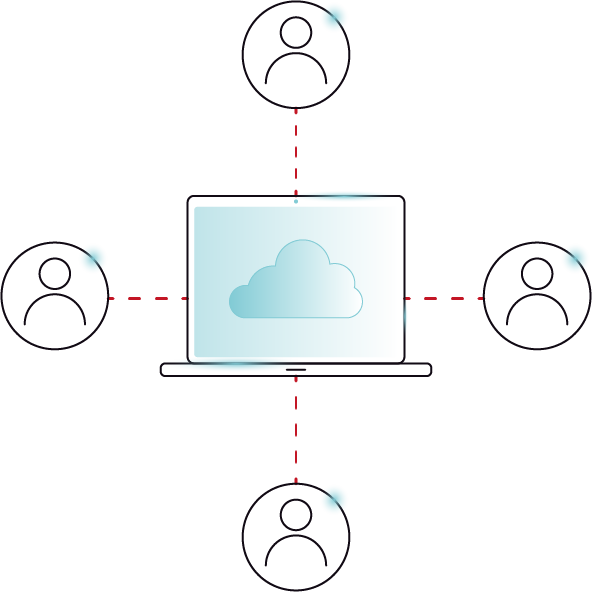
Create and configure your call routing in three simple steps.
Set up a group in the VoIP.ms customer portal and define how calls should be handled.
Include extensions, phone numbers, or devices that should receive calls.
Select simultaneous or sequential ringing and configure fallback options.
Take your business phone to the next level with customized call handling.
Add extensions, mobile numbers, or external lines to a single ring group.
Scale from small teams to larger groups without changing your setup.
Set up voicemail and notifications to handle unanswered calls.
Control how calls are handled at all times, no matter the day of the week.

Advanced features for a foolproof phone system.

Manage high call volumes with waiting queues, announcements, and structured call handling.
Learn More

Guide callers to the right department with automated menus and call routing.
Learn More

A ring group allows you to route incoming calls to multiple users or devices instead of a single phone.
Calls can ring all members at once or follow a set order until someone answers.
You can add multiple members to a ring group, including extensions, mobile numbers, or external lines.
This allows you to scale your setup as your team grows.
Yes. You can configure:
Simultaneous ringing (all users at once)
Sequential routing (one after another)
Custom call handling rules
Yes. Ring groups work across locations and devices, making them ideal for remote or distributed teams.
No. You can use existing SIP devices, softphones, or mobile phones — no proprietary hardware required.
By ensuring calls are answered quickly and routed to the right person, ring groups reduce wait times and improve responsiveness.
Ring groups send incoming calls to multiple users at the same time or in a set pattern until someone answers, while call hunting routes calls through extensions one at a time in a specific order. With VoIP.ms Cloud-PBX, though, you can set up both options, creating an effective and failproof system for your business.