Provision SIP trunks, DIDs, and routing yourself in minutes. Get started today.

VoIP.ms Blog

Featured Article

5 min read
How Small Voice Tweaks Can Reduce Tickets and Streamline Internal Processes
by Marcela De Mingo
Blog Radio

Latest Blogs

Features
What Is CNAM and How to Leverage It for Your Business?
Caller ID Name which is also commonly known as CNAM basically refers to the name of the business or the person placing the phone call. In addition to the callers' phone number, CNAM feature allows phones to display the name of the caller.
Features
Exploring IVR: Benefits of Auto Attendants
The advent of Unified Communications and Voice over IP (VoIP) phone systems along with their myriad of features offerings have to change the way businesses perform communication activities, both internally and externally.
Features
The Do's and Don'ts of IVR Scripts
IVR (Interactive Voice Response) scripts help in guiding your business callers through what could otherwise be a complex routing system. IVR scripts can generally be quicker in redirecting callers to the concerned department, provided they are set up in a way which makes it much easier for callers to navigate.
Features
5 Facts about IVR Every Business Owner Should Know
VoIP technology has so many exciting features to offer, one of which is Interactive Voice Response (IVR). It helps businesses to introduce themselves to the callers and offers direction with the help of a voice menu. Businesses are continuously adapting to the use of the IVR system, as it helps them to offer a more personalized experience.
Features
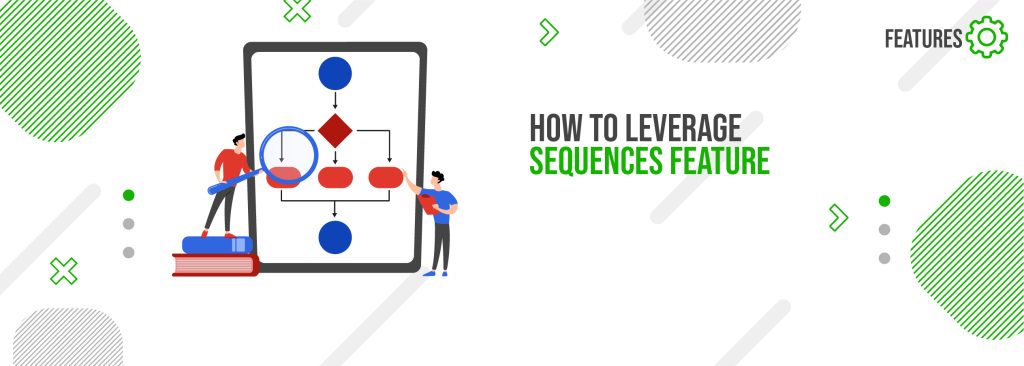
How to Leverage Sequences Feature
Sequences is an enhanced IVR feature offered by VoIP.ms that allows you to combine DTMF, voice recordings and SMS messages in a pre-defined order. The combination is executed in the specified order to achieve a desired result, which can be, for example, a sequence that enables a door to be opened automatically.

Features
How to Leverage Sequences Feature
Sequences is an enhanced IVR feature offered by VoIP.ms that allows you to combine DTMF, voice recordings and SMS messages in a pre-defined order. The combination is executed in the specified order to achieve a desired result, which can be, for example, a sequence that enables a door to be opened automatically.
Features
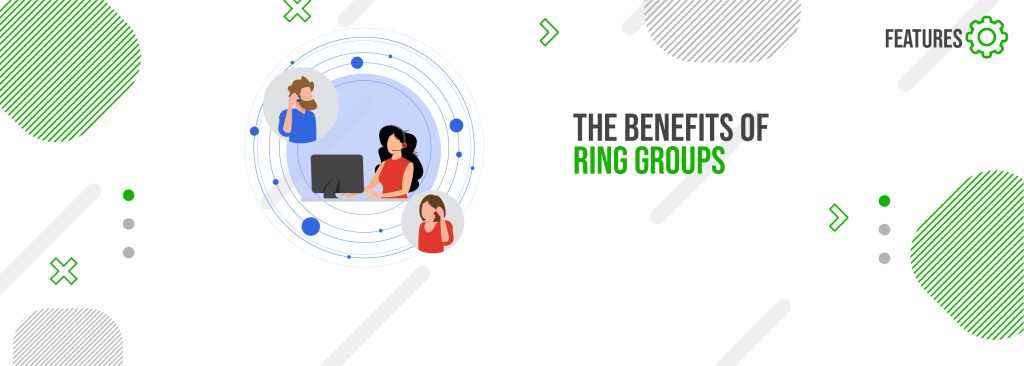
The Benefits of Ring Groups
A Ring Group provides businesses an effective way to receive calls on different devices simultaneously. Businesses normally make use of ring groups to efficiently distribute incoming calls within different departments, by the guidance of a digital receptionist (IVR), to Accounting, Sales, Tech and Customer Support for example.

Stay ahead of communication trends

Get expert insights, product updates, and industry news delivered to your
inbox every week

No spam. Unsubscribe at any time.

Skip to content